USA 

- Links
- Info
- News
Argentina 

- Links
- Info
- News
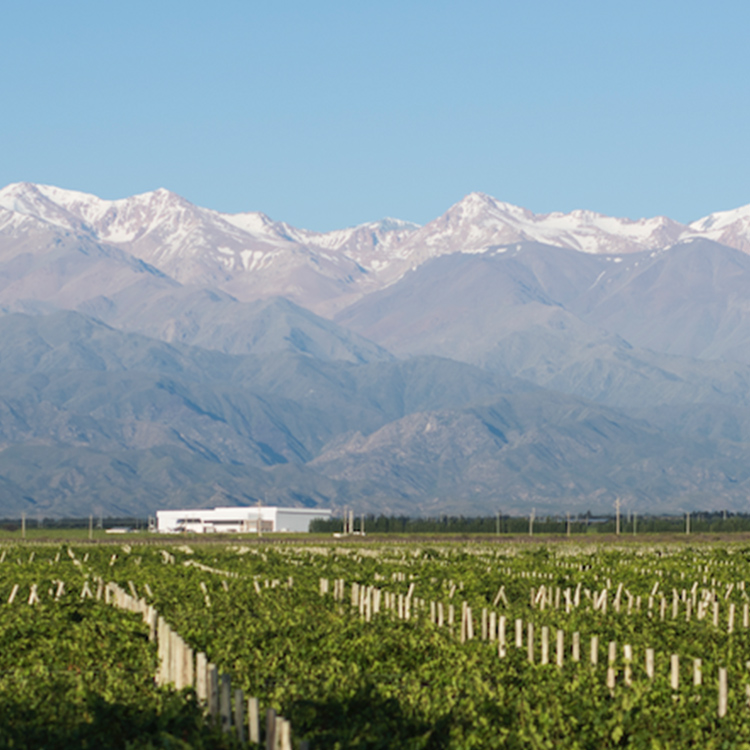
At the turn of the millenium the Spanish family Ortega Gil-Fournier founded a small 'boutique' winery at the foot of the Andes, in La Consulta, in the Argentinean province of Mendoza. Bodega y Vinedos O Fournier aims to build a winery equipped with the latest technology. It will have a capacity of 600,000 litres in stainless steel, oak and cement vats, ranging from 6,500 to 25,000 litres in capacity. The new winery has been designed to work with gravity to minimise the use of pumps. The undergroun cellar will be able to hold up to 2,800 oak barrels at a constant temperature and humidity. In light of the company's commitment to continously improve its wines, it has plans for developing an innovative laboratory with microvinification capabilities. A small hotel and restaurant will also be built near the winery to accomodate visitors. O Fournier has been selected as third Greatest Winery in Argentina, and third Most Improved Winery in Tom Stevenson's Wine Report 2007.No current news itemsChile 

- Links
- Info
- News
Sierra Cruz is made by EOV – Vinedos Errazuriz Ovalle which was established in 1992 and based in the Colchagua and Lontue Valley. The estate covers 2500 ha of vineyards in Marchigue which has a perfect grape growing climate with predominatly clay and pumatic soils. The Errazuriz family have owned the majority of the vineyards for over 100 years but until recently only sold the wines in bulk. The winery is at Bodega La Esperanza and was built in 2000/2001 with all the latest technology for modern day winemaking. Matias Errazuriz is the director of EOV and is investing in the future by planting a wide range of grape varieties which will allow us to expand the range offered. The Sierra Cruz wines have been specially selected with the UK independent wine trade in mind.No current news itemsSouth Africa 

- Links
- Info
- News
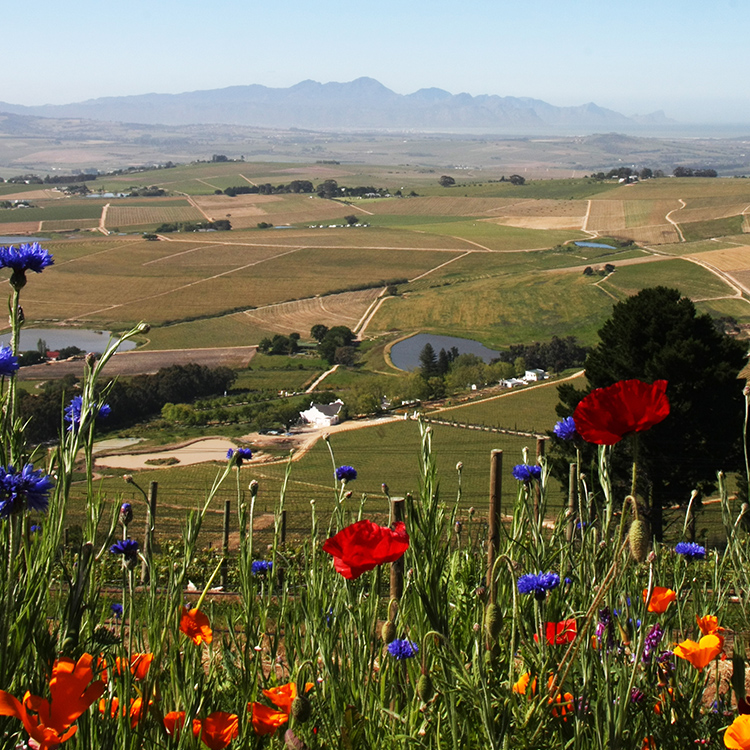
Despite predictions of a glut looming on the global wine market, South Africa is riding high on a new wave of optimism — and it is growing. Ten years on from the ending of apartheid sanctions, new investment, new plantings, improved vineyard management and winemaking skills underpin the industry as it turns its attention to the international market place. Many observers point to the lack of heavyweight brands as an opportunity missed, though this comes as little surprise to John Platter: "Coaxing a coherent national wine identity or neat, recognisable Cape styles from these unregimented ranks any time soon would be like trying to herd cats." Rather, he extols the virtues of the rich diversity and choice of wines available here as nowhere else. If the future is as yet uncertain for Brand South Africa at the lower end of the market, the same cannot be said for the growing number of aspiring superstars at the top end — the cult wines of the future.No current news itemsAustralia 

- Links
- Info
- News
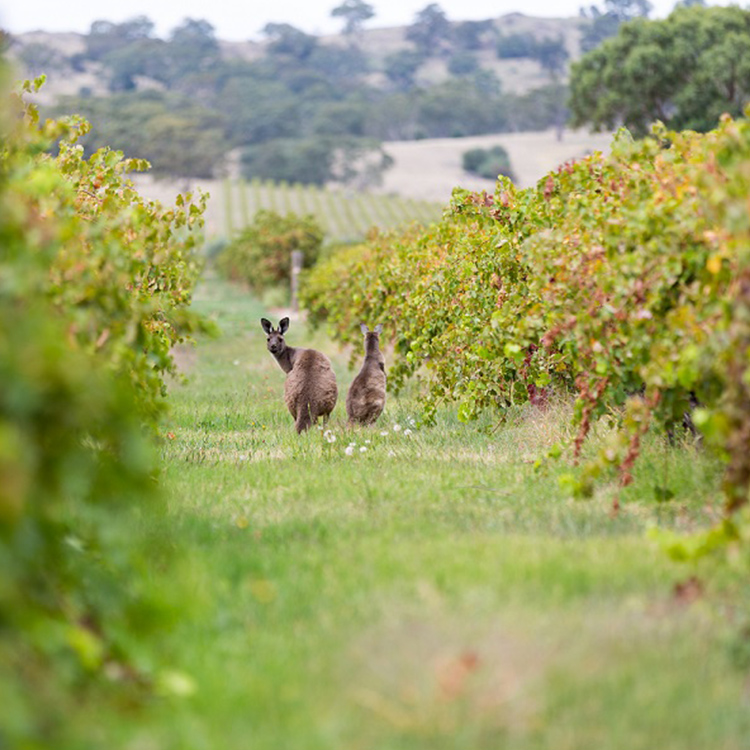
Untramelled by centuries of tradition, this most dynamic of wine industries is not afraid to change direction or explore hitherto uncharted waters as it pushes toward new goals. The influence of Brand Australia, and the ubiquitous flying winemaker, has spread around the vinous globe. Their softer, more approachable reds and riper, fruit dominant whites are generally recognised as a benchmark for quality everyday wines. New varieties — from Viognier to Sangiovese — are now making their impact and winning awards, while a growing number of "first growth" superstatus wines is also winning world-wide acclaim. With the attention of Mr. Parker also now focused on the fine wine scene here, there can be little doubt that the Australian wine industry is truly dynamic - and holds the promise of even more exciting times ahead,No current news itemsNew Zealand 

- Links
- Info
- News
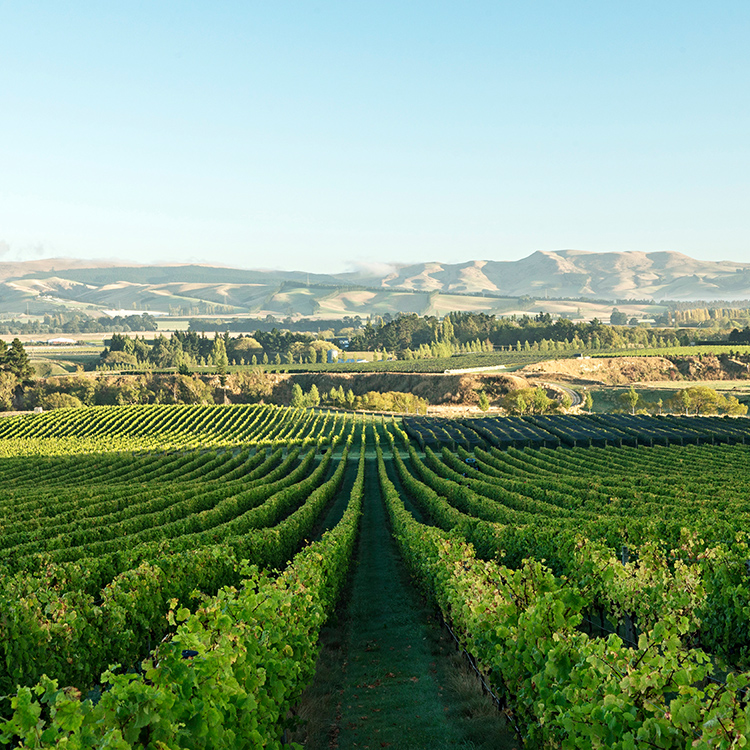
It is just over 15 years since New Zealand hit the headlines as Featured Nation at the London Wine Trade Fair, and made its impressive entrance onto the international wine scene. Since then it has gone on to win international acclaim as a wine-producing country, making Sauvignon Blanc its own with its distinctive, vibrant, benchmark style recognised throughout the world. A pioneer in the use of the screwcap, New Zealand continues to challenge accepted practices and push forward the boundaries of its markets – with the reds now attracting the sort of attention once reserved for the Sauvignon Blanc. As Rieslings and Pinot Gris also begin to win the top accolades in international wine competitions, the potential is undoubtedly enormous!No current news items