
Technical Analysis
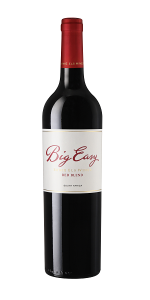
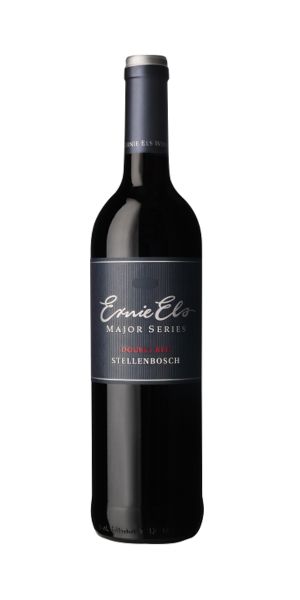
'Double Red' celebrates two distinguished cultivars and also echoes Ernie Els’ memorable double eagle at the 2000 WGC NEC Invitational – a rare, round-defining moment that mirrors the wine’s sense of precision, momentum and achievement.
Tasting note
55% Cabernet Sauvignon and 45% Merlot. Deep, opaque red. Smoky black cherries, cedar drifts and inky cassis detail an expressive, fragrant bouquet; an undressing of scent, lifted by mineral, ozonic amplitude. Spiced juniper, blackcurrant crush in. The palate pulls savoury to the heart, a mix of red and black cherries, plums, veiled in gossamer, slender tannins that expand and corset. Brushworks of bright acidity run stony to the finish; rolling back in resonance and measured depth. Sophisticated, smooth and ageworthy.
Vintage Conditions
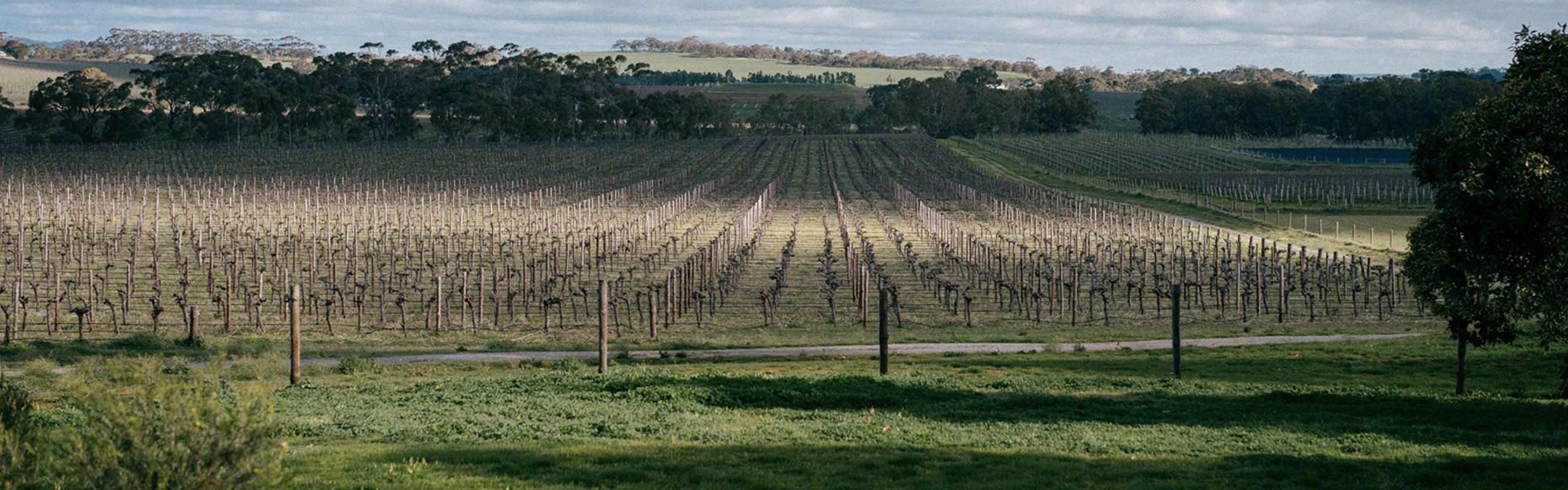
The 2024 vintage will be marked by the resilience of the vines through a season of contrasts. Heavy winter rainfall left the soil well-watered, providing a solid start to the growing season. However, strong winds during flowering posed a challenge, affecting the main shoots and resulting in a reduced fruit set. Despite these setbacks, the remainder of the season brought dry conditions that allowed the vines to recover and thrive. Though overall production was the lowest in the past 15 years, this scarcity bodes well for exceptional quality, promising a standout vintage in 2024.
Vinification details
The Cabernet Sauvignon and Merlot were hand-picked in the early morning and processed block by block. Whole Cabernet berries were fermented in Italian Nico Velo concrete tanks, with small premium parcels fermented in terracotta amphorae. The Merlot fermented in open top tanks. Intermittent pump-overs and gentle punch-downs supported balanced extraction of flavour, colour and tannin, and each ferment was closely monitored from start to finish. Some batches from both varieties underwent extended maceration before pressing. The clonal Cabernet components were micro-vinified in oak, with a small amphora portion aged for up to ten months, while the Merlot matured in a mix of old and new oak barrels. Every batch was assessed ahead of final blending and bottling.
AWARDS
Tim Atkin MW: 93 points