
Technical Analysis
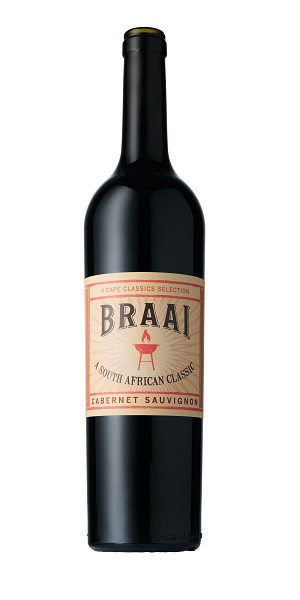
The earliest archaeological evidence of a barbecue (braai) is found in South Africa - this wine is a celebration of that heritage.
Tasting note
The essence of braai is captured in this bold Cabernet, which displays aromas and flavours of dark berries, earth and smoke.
Vintage conditions
The winter was cold and wet with good rain and snow. Cool weather during the budding and flowering season resulted in a later than normal start to harvest. This gave the grapes longer hang time to reach optimal ripeness, enabling the development of an array and depth of favorable fruit flavors.
Vinification details
The grapes were harvested by hand in the cool early morning. They were gently de-stemmed and sorted before being crushed and pumped to stainless steel tanks for fermentation. A combination of punch-downs and pump-overs were performed regularly during fermentation to facilitate the extraction of colour, tannins and fruit aromas. Following fermentation, the tanks were drained and the skins gently pressed. Approximately 15% of the wine was aged in a combination of 225 litre and 300 litre French oak barrels for a maturation period of 12 months. The remainder was aged in stainless steel tanks. The barrel aged component is then carefully blended with the components aged in stainless to ensure a good balance between ripe fruit, acidity and silky tannins
Technical Analysis
The earliest archaeological evidence of a barbecue (braai) is found in South Africa - this wine is a celebration of that heritage.
Tasting note
The essence of braai is captured in this bold Cabernet, which displays aromas and flavours of dark berries, earth and smoke.
Vintage conditions
Warmer periods during the latter part of the winter resulted in some un-even budding, flowering and fruit set. The moisture levels in the soils were satisfactory throughout the growing and ripening phase, and very little moisture stress was noticeable on the vines. The late start to the 2021 harvest was one of the distinguishing hallmarks of this vintage. The cooler growing conditions of the 2021 vintage produced elegant wines with softer tannin structures that will make them accessible and drinkable from an earlier age
Vinification details
The grapes were harvested by hand in the cool early morning. They were gently de-stemmed and sorted before being crushed and pumped to stainless steel tanks for fermentation. A combination of punch-downs and pump-overs were performed regularly during fermentation to facilitate the extraction of colour, tannins and fruit aromas. Following fermentation, the tanks were drained and the skins gently pressed. Approximately 25% of the wine was aged in a combination of 225 litre and 300 litre French oak barrels for a maturation period of 12 months. The remainder was aged in stainless steel tanks.
Technical Analysis
The earliest archaeological evidence of a barbecue (braai) is found in South Africa - this wine is a celebration of that heritage.
Tasting note
The essence of braai is captured in this bold Cabernet, which displays aromas and flavours of dark berries, earth and smoke.
Vintage conditions
The 2020 harvest period was characterized by typical dry conditions and moderate temperatures. Carry-over effects from the heat during spring and effective canopies promoted ripening in the early cultivars and were therefore harvested much earlier. Sustained, moderate temperatures occurred until the end of March and resulted in effective plant functioning and full maturity in late cultivars.
Vinification details
The grapes were harvested by hand in the cool early morning. They were gently de-stemmed and sorted before being crushed and pumped to stainless steel tanks for fermentation. A combination of punch-downs and pump-overs were performed regularly during fermentation to facilitate the extraction of colour, tannins and fruit aromas. Following fermentation, the tanks were drained and the skins gently pressed. Approximately 25% of the wine was aged in a combination of 225 litre and 300 litre French oak barrels for a maturation period of 12 months. The remainder was aged in stainless steel tanks.
Technical Analysis
The earliest archaeological evidence of a barbecue (braai) is found in South Africa - this wine is a celebration of that heritage.
Tasting note
The essence of braai is captured in this bold Cabernet, which displays aromas and flavours of dark berries, earth and smoke—perfect for socializing and the ideal complement to a wide range of BBQ-friendly flavours.
Vintage conditions
The very dry, warm weather conditions throughout the 2019 harvest resulted in healthy grapes and small berries with good intensity. Despite the drought conditions, yields were good in the general Stellenbosch area. Cabernet flavours developed beautifully in the warm, dry conditions, adding complexity to the wine. The vintage was free of disease and vine stress, and the vines were able to carry the crop to optimum ripeness
Vinification details
The grapes were harvested by hand in the cool early morning. They were gently de-stemmed and sorted before being crushed and pumped to stainless steel tanks for fermentation. A combination of punch-downs and pump-overs were performed regularly during fermentation to facilitate the extraction of colour, tannins and fruit aromas. Following fermentation, the tanks were drained and the skins gently pressed. Approximately 25% of the wine was aged in a combination of 225 litre and 300 litre French oak barrels for a maturation period of 12 months. The remainder was aged in stainless steel tanks.
Technical Analysis
The earliest archaeological evidence of a barbecue (braai) is found in South Africa - this wine is a celebration of that heritage.
Tasting note
The essence of braai is captured in this bold Cabernet blend, which displays aromas and flavours of dark berries, earth and smoke – the ideal complement to a wide range of bbq-friendly flavours. A blend of 98% Cabernet Sauvignon, 2% Merlot.
Vintage conditions
The 2018 harvest kicked off seven to fourteen days later in most regions. Day temperatures were notably warmer and night temperatures colder than usual due to the dry conditions. After slow shoot growth initially, vines picked up the pace as temperatures rose towards the end of November. Although December and January were hot, with temperatures reaching 35°C, none of the usual heatwaves were present. The rest of the growing season and harvest were notably cooler than normal. Vineyards were healthy with limited incidences of pests, diseases or rot thanks to the dry weather.
Vinification details
The grapes were harvested by hand in the cool early morning. They were gently de-stemmed and sorted before being crushed and pumped to stainless steel tanks for fermentation. A combination of punch-downs and pump overs were performed regularly during fermentation to facilitate the extraction of colour, tannins and fruit aromas. Following fermentation, the tanks were drained and the skins gently pressed. Approximately 25% of the wine was aged in a combination of 225 litre and 300 litre French oak barrels for a maturation period of 12 months. The remainder was aged in stainless steel tanks.