
Technical Analysis
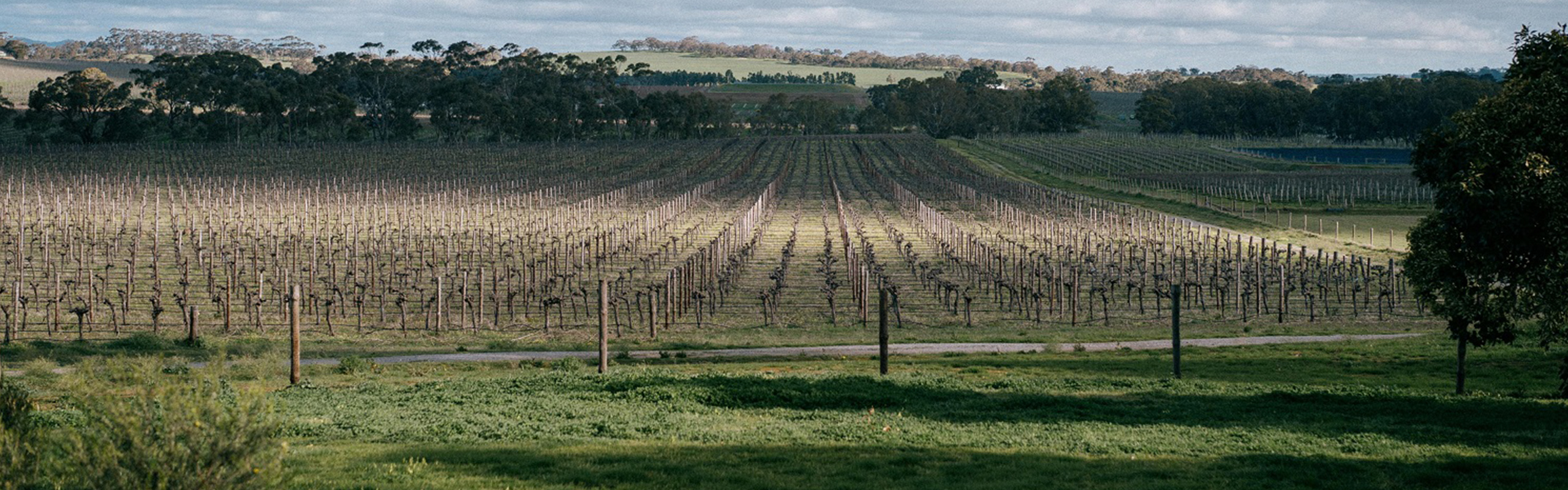
Fresh and steely, combining fruit from selected sites in the Clare Valley, Adelaide Hills and the Tamar Valley in Tasmania. Careful handling and blending producing both delicate flavours and ageing potential.
Tasting note
In the glass, the wine exhibits a pale straw colour with brilliant clarity and subtle green hues, hinting at its youth and freshness. The nose is immediately enticing, offering a bouquet of vibrant citrus notes, particularly lime and lemon zest. Delicate floral aromas reminiscent of jasmine and orange blossom. Subtle hints of green apple and white peach. The palate is crisp and refreshing with a laser-like acidity that provides excellent structure. The flavour profile showcases zesty citrus fruits, dominated by lime and grapefruit. Crunchy green apple and pear along with a touch of honey and wet slate. The balance between fruit ripeness and acidity is exceptional, creating a harmonious and invigorating mouthfeel.
Vintage conditions
In Adelaide Hills the vintage began with heavy rainfall throughout the Winter months, saturating the soils and effectively mitigating frost occurrences during Spring. The mild to warm Spring temperatures accelerated budburst, advancing it by 2 to 3 weeks compared to the previous season. However, a few cool and windy days in November posed challenges to fruit set, especially for later bursting varieties. The summer commenced with warm and dry conditions, promoting rapid shoot growth that surpassed the previous season’s development by 3.5 weeks. This vigorous growth persisted into the new year, necessitating 2-3 rounds of trimming across all blocks to ensure optimal dappled sunlight exposure for the fruit. While occasional rainfall refreshed the canopies and replenished soils, disease pressure remained notably low throughout the growing season. Mild conditions in the lead up to harvest ensured methodical flavour development and excellent acid retention. In Tasmania, seasonal conditions varied across the breadth and diversity of the island, requiring the usual vigilance and dedication of viticulturists. The north of the island received above average temperatures, while parts of the island’s south experienced cooler than average temperatures. It was also very dry in the southeast and drier than normal across the rest of Tasmania. The seasonal conditions supported good yields and resulted in an earlier and condensed vintage in 2024.
Vinification details
All parcels are kept separate from picking to blending and are meticulously handled in the winery. Handpicked fruit was refrigerated overnight and then hand sorted. The fruit was delicately whole bunch pressed, which is the gentlest way to extract the juice from the berries. Only the free run juice fraction is taken and used, with extractions at 450-500L per tonne. The juice was immediately chilled from the press to ensure the delicate flavours are held in the juice and to keep phenolics low. The juice then underwent cold settling for 48 hours in a stainless-steel tank, then racked off solids to a stainless-steel tank where it was inoculated with a specialised Germanic Riesling yeast strain. A long, cool fermentation is a key part of Riesling production. Temperatures are maintained at 14-16 degrees, with the fermentation lasting 13 days. The wine was then left on light lees for 6 weeks, and un -fined prior to filtration and bottling. The final blend consists of 80% Adelaide Hills and 20% Tasmania.
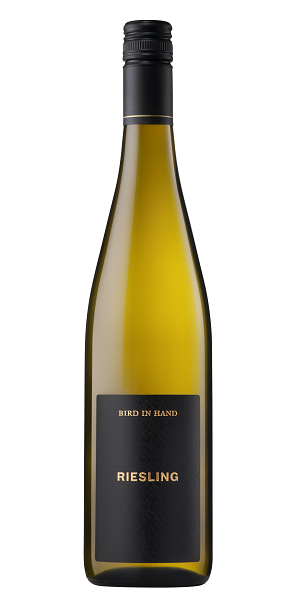
Technical Analysis
Fresh and steely, combining fruit from selected sites in the Clare Valley, Adelaide Hills and the Tamar Valley in Tasmania. Careful handling and blending producing both delicate flavours and ageing potential.
Tasting note
Pale green, a pure expression of Riesling with lifted fragrance of kaffir lime, lemon zest, fresh herbs, jasmine and green apple. Precise, racy and mouth-watering on the palate. Delicate flavours and lovely upfront juiciness give way to steely minerality that drives a long finish with a chalky finish and saline edge. A wine with all the hallmarks to age gracefully over the next 10+ years.
Vintage conditions
2023 continued a recent run of vintages under the influence of a La Nina weather pattern – characterised by cooler and wetter conditions. Winter rainfall was excellent, ensuring full dams and plenty of soil moisture going into the growing season. Springtime conditions were cool and with regular rainfall and high disease pressure, required viticulturists to be diligent with their vineyard management. Flowering again was quite varied across varieties, with some periods of warm, calm conditions and then bursts of windy, wet conditions. Riesling fruit set was generally quite good, with good bunch numbers and weights setting up yields that were in line with long term averages at around 10t/Ha. Summer temperatures were again quite mild, with no heat waves, and subsequently very little stress placed on vines. The remainder of the ripening period through Autumn was cool, which gave the rare luxury of a slow ripening and enabled picking Riesling at the absolute optimum flavour ripeness. Overall flavours were very pure and acid retention was superb. In Tasmania (Tamar Valley) conditions mirrored those in Clare. Following a wet, cold spring, weather after Christmas stabilised and saw a long mild ripening period. Yields were slightly lower than the long-term average, at 8t/Ha.
Vinification details
All parcels are kept separate from picking to blending and are meticulously handled in the winery. Handpicked fruit was refrigerated overnight and then hand sorted. The fruit was delicately whole bunch pressed, which is the gentlest way to extract the juice from the berries. Only the free run juice fraction is taken and used, with extractions at 450-500L per tonne. The juice was immediately chilled from the press to ensure the delicate flavours are held in the juice and to keep phenolics low. The juice then underwent cold settling for 48 hours in a stainless-steel tank, then racked off solids to a stainless-steel tank where it was inoculated with a specialised Mosel Riesling yeast strain. A long, cool fermentation is a key part of Riesling production. Temperatures are maintained at 14-16 degrees, with the fermentation lasting 13 days. The wine was then left on light lees for 6 weeks, and un -fined prior to filtration and bottling. The final blend consists of 80% Clare Valley and 20% Tasmania.