
Technical Analysis
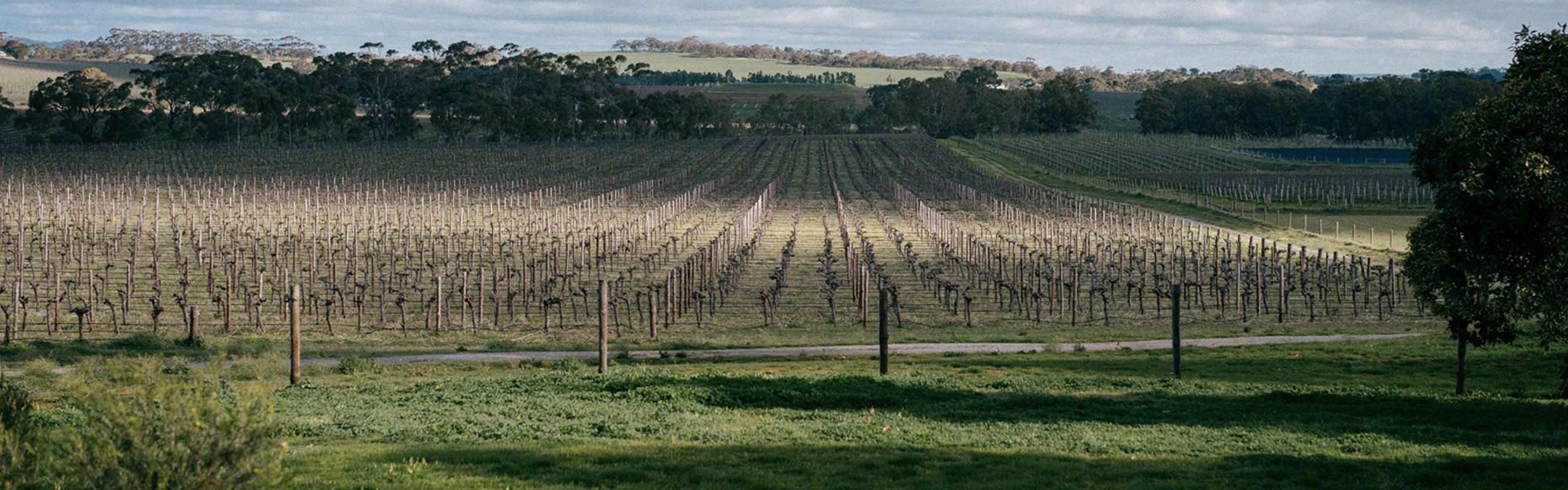
Cabernet vineyards are the most prolific on the farm and range in altitude. With various sites and soil types to work with, the aim is in expressing the Hutton and Oakleaf soils in the wine.
Tasting note
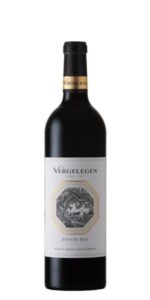
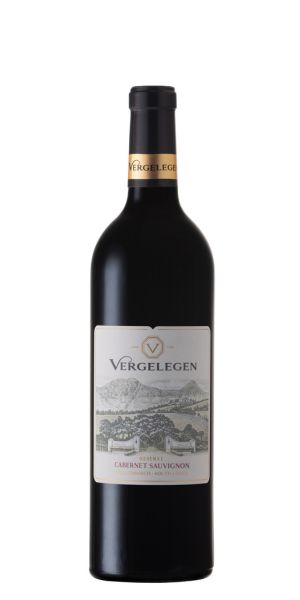
Supremely elegant red, all detail, layers and nuances, with violet and fynbos aromas, notes of toast and five spice and blueberry fruit. Scented, granitic and polished, with perfumed 30% new wood and layers of cassis, fennel and bramble framed by stylish tannins.
Vintage conditions
2023 was a much cooler and smaller harvest. A cooler ripening period ensured high quality wine with early cultivars. Late cultivars have been more challenging due the rains and cold conditions. This led to a very prolonged Cabernet harvest, but good management practices and exceptional site produce high quality grapes.
Vinification details
Grapes from various blocks were hand-picked and sorted before being transferred into stainless steel or wooden fermentation tanks. Different yeasts were used to work on both aromatic profiles and structural components. Various pump-over techniques were applied, including both open and closed pump-overs at different intervals. The Cabernet spent 3 weeks on its skins, post-fermentation, after which it was taken to 225l and 300l barrels (first, second and third fill) for 12 months.
AWARDS
Tim Atkin MW: 91 pts
Technical Analysis
Cabernet vineyards are the most prolific on the farm and range in altitude. With various sites and soil types to work with, the aim is in expressing the Hutton and Oakleaf soils in the wine.
Tasting note
This wine was grown in deep red soils of ancient origin, showcasing the terroir of the property. Complex with blackcurrants, spice, ripe plums and notes of plush leather and oak. Promising excellent ageing ability, but equally as delicious when youthful.
(Magnums available - please enquire)
Vintage conditions
The post ’21 harvest was cool and dry, with a good winter for generating cold units and a even rainfall. Bud break was 7 – 10 days later and was even. Early spring was cool and dry, but got wet later on so late cultivars battled with flowering. Unusual rain in summer lead to big canopies and more growth which required management at additional costs. This caused humidity which increased disease pressure and weeds. Due to cool conditions the phenology ripen was 10 day later. From January extreme heat shocked the vineyards so ripening was slow despite the hot dry ripening period, followed by a harvest that was 10 days later than usual. Despite this, excellent extract for colour and flavours were seen.
Vinification details
The Cabernet is fermented in open/closed tanks (3,5 tons) at a constant temperature of 25°C and pumped over every 6 hours to maximize colour and tannin extraction. The wine has 16 months in barrel; 40% new oak from coopers Taransaud, Darnajou & Sylvain.
AWARDS
Tim Atkin MW: 93 pts
Wine Advocate: 93 pts
Platter: 92 pts