Technical Analysis
Escarpment produce a Burgundian-inspired Chardonnay from its Te Muna Road site in Martinborough, New Zealand.
Tasting note
The nose is immediately appealing with baking spice, custard, mandarin,
peach, and citrus. Flinty notes are also present, along with honeysuckle and
freshly cut apple. The palate is bright and vibrant, with lots of ripe fruit to
balance the acid that gives the wine drive. The warm year has given
generosity, but the wine is still incredibly fresh and youthful, with lots of
mouthfeel and texture. It is a wine that will benefit from some aging but is
gorgeous in its youth, with a long and persistent finish. It is built around
elegance and restraint, offering focus and persistence but also capturing the
district’s unique terroir
Vintage Conditions
One of the great Martinborough vintages, with a warm and dry summer. Yields were incredibly low, due to very poor flowering, but fruit quality was exceptionally high.
Vinification details
A mix of clones were individually whole bunch pressed, with the juice left to settle overnight. It was then transferred to French oak puncheons for fermentation, using indigenous yeast. After fermentation the wine was aged in barrel for 11 months with 22% new, creating a wine with ripe stone fruit characters, along with a flinty mineral backbone
AWARDS
Wine Advocate: 93 pts
With winemaker Tim Bourne.
Technical Analysis
Escarpment produce a Burgundian-inspired Chardonnay from its Te Muna Road site in Martinborough, New Zealand.
Tasting note
Citrus, jasmine, and white peach are apparent on the nose, with undertones of gunflint and spice. The palate is focused and streamlined, with notes of lemon curd and brioche, with a core of concentrated fruit built around a seam of natural acidity giving freshness. Partial malolactic fermentation and barrel maturation help to give the wine both breadth and length, along with added complexity. It is a wine that is built around elegance and restraint, offering focus and persistence but also capturing the district’s unique terroir.
Vintage Conditions
A cool, wet summer pushed the Chardonnay harvest out into April. While the weather presented its challenges, Chardonnay was one of the standouts of the vintage.
Vinification details
A mix of clones, which were individually whole bunch pressed and fermented in French oak puncheons using indigenous yeast, to enhance texture and complexity. After fermentation the wine was aged in barrel for 11 months with 24% new, creating a wine with white stone fruit characters and citrus, along with a flinty mineral backbone.
AWARDS
Bob Campbell: 93 pts
Raymond Chan: 94 pts
Technical Analysis
Escarpment produce a Burgundian-inspired Chardonnay from its Te Muna Road site in Martinborough, New Zealand.
Tasting note
Crisp, tangy chardonnay with powerful fruit flavours, hazelnut, flinty backbone and subtle oak flavours.
Burgundian style delivered with finesse
Vinification details
Aged in 20% new oak for 11 months with partial malolactic fermentation and lees stirring.
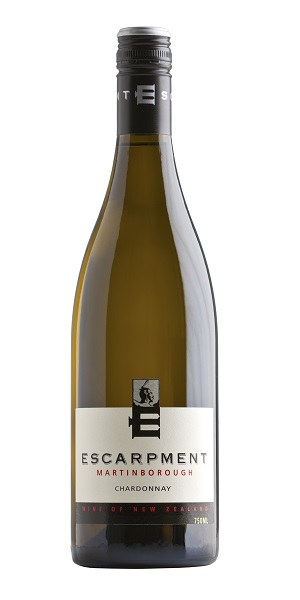
Technical Analysis
Escarpment produce a Burgundian-inspired Chardonnay from its Te Muna Road site in Martinborough, New Zealand.
Tasting note
Powerful opulent flavours and a flinty mineral backbone combine beautifully with barrel fermentation to create a Burgundian-inspired Chardonnay. Flavours are reminiscent of white stone fruit with delightful soft texture ensuring a long, commanding finish.
Vinification details
Aged in 20% new oak for 11 months with full malolactic fermentation and lees stirring.
With winemaker Tim Bourne.
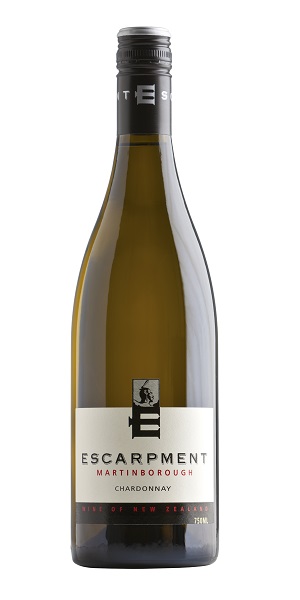
Technical Analysis
Escarpment produce a Burgundian-inspired Chardonnay from its Te Muna Road site in Martinborough, New Zealand.
Tasting note
Powerful opulent flavours and a flinty mineral backbone combine beautifully with barrel fermentation to create a Burgundian-inspired Chardonnay. Flavours are reminiscent of white stone fruit with delightful soft texture ensuring a long, commanding finish.
Vintage conditions
2018 can be considered a perfect, mild season, the summer allowing a normal crop load to ripen slowly.
Vinification details
After hand harvesting, the grapes were whole bunch pressed. Fermentation took place in oak barrels, where the wine underwent partial malolactic fermentation with lees stirring.